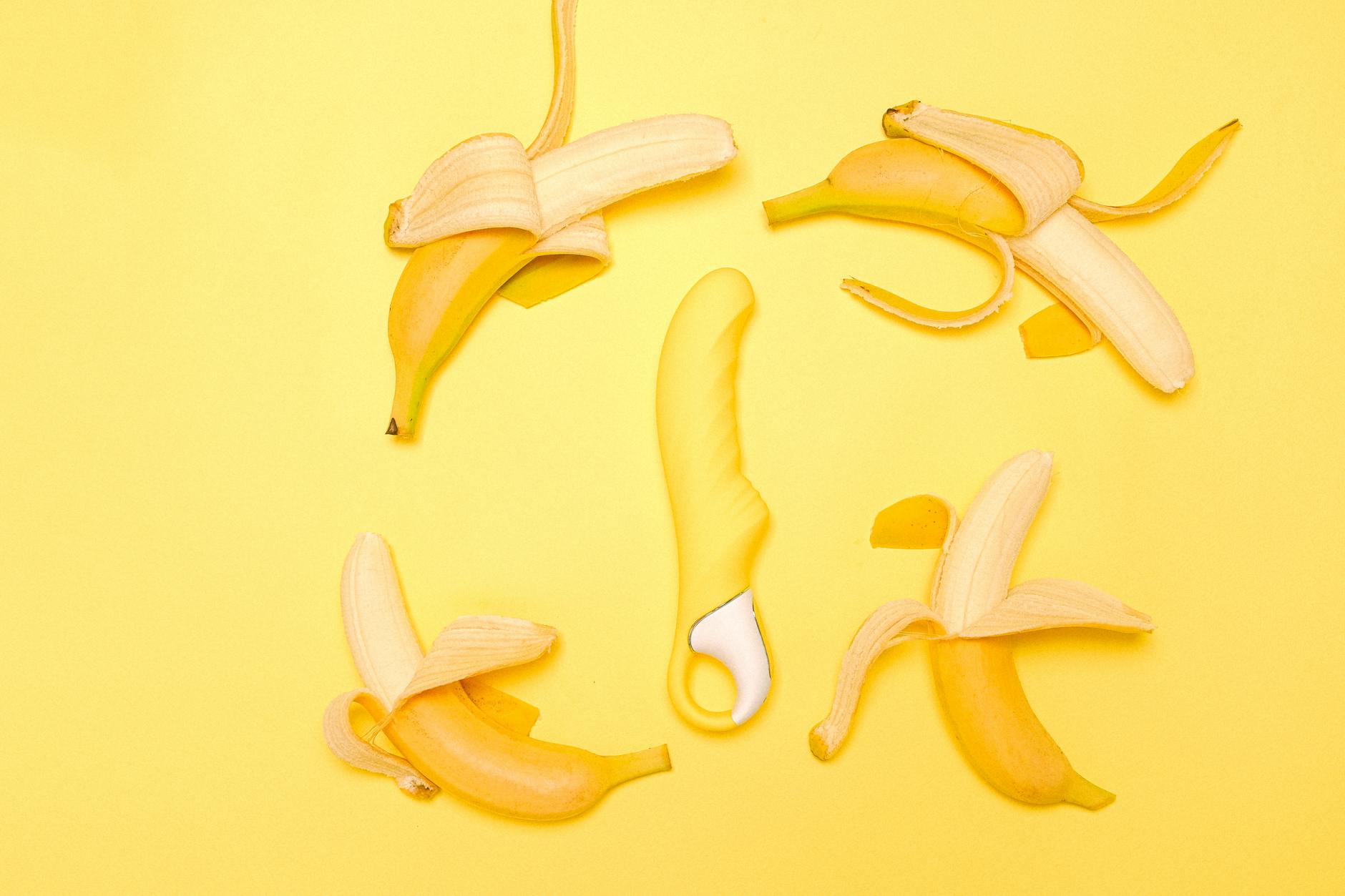
Here's the thing about perimenopause and pleasure
Perimenopause rewires how your body responds to stimulation. Your favorite vibrator might stop working the same way, which feels like a problem with you. It's not. It's a mismatch between what your body needs right now and what the toy was designed to do.
Lemon clitoral vibrators, particularly suction-style lemon vibrators like those from Lem Nancy's Shop, work differently than traditional vibrators. And during perimenopause, that difference matters more than you'd think.
What perimenopause actually does to arousal
Perimenopause is the 4-10 year window before your final period. Estrogen and progesterone don't drop smoothly. They fluctuate wildly, sometimes hourly. This volatility changes how blood flows to your genitals, how quickly arousal builds, and how intensely sensation registers.
Here are the specifics. Blood flow to the clitoris becomes less reliable. Some days it's responsive. Other days it feels muted, like you're working twice as hard for half the payoff. The clitoral tissue also thins slightly as estrogen drops, which means direct friction that worked beautifully at 35 might feel too intense or even uncomfortable at 45.
Tradditional vibrators rely on rapid vibration or pulsing against tissue. They assume consistent blood flow and tissue thickness. When both are fluctuating, you get a disconnect.
Why lemon suction vibrators feel different
Lemon vibrators, including the iconic Lem design, use a different mechanism entirely. Instead of friction, they create gentle suction that draws blood to the clitoris. This works with perimenopause biology rather than against it.
The suction approach has three advantages during hormonal fluctuation.
First, suction doesn't require a specific baseline of arousal to feel good. Traditional vibrators need some initial blood flow to register pleasantly. Lemon clitoral vibrators can stimulate blood flow themselves, which means you don't have to wait for arousal to kick in before the toy becomes useful.
Second, suction distributes intensity differently. It's broader and less mechanically intense than direct vibration against thin tissue. During perimenopause, when sensitivity shifts, this gentler approach often feels better.
Third, suction patterns can be adjusted without changing the toy itself. You can start at the lowest setting and feel plenty, then work up if you want more intensity. Traditional vibrators often have a floor setting that's already too much on certain days.
The perimenopause arousal timeline problem
During perimenopause, arousal doesn't follow the pattern you've been used to for 20 years. You might go from zero to 60 faster some days, or feel stuck at 20 for 30 minutes other days. This inconsistency frustrates a lot of people because they blame themselves, when actually their hormones are genuinely destabilizing the process.
When you use a traditional vibrator, that inconsistency becomes obvious immediately. If arousal is slow, the vibration feels abrasive or just ineffective. You keep waiting for the buildup that isn't coming, and the toy becomes a reminder of something that used to be easier.
Lemon vibrators work during that lag time. You can start using one before full arousal arrives and have it help bring you there. The suction gently encourages blood flow without requiring it as a prerequisite.
Tissue changes and why friction matters less
Estrogen supports the thickness of the clitoral hood and surrounding vulvar tissue. As perimenopause progresses and estrogen becomes erratic, that tissue can feel thinner or more sensitive. A vibrator that was perfect at 40 might genuinely hurt at 47, even though nothing is wrong with you.
Traditional vibrators operate through oscillation against tissue. If tissue has thinned, that friction can register as uncomfortable sensation instead of pleasure. You might think you're losing interest in pleasure, when actually the tool just doesn't match your current anatomy.
Lemon clitoral vibrators don't work through friction. Suction is gentler on thinner tissue and doesn't create the same mechanical pressure. A lot of people in perimenopause find they can use a lemon vibrator at settings they couldn't tolerate from a traditional toy, because the stimulus pathway is fundamentally different.
This isn't a weakness of traditional vibrators. It's just that they weren't engineered for bodies where tissue thickness and blood flow are volatile.
Why your old favorite toy might have stopped working
If you've been using the same vibrator for years and suddenly it feels wrong, this is usually why. Your arousal pattern changed. Your tissue changed. Your sensitivity changed. And the toy can't adapt.
It's tempting to think you've lost the ability to enjoy pleasure. You haven't. The toy and your body have simply drifted out of sync. That's a design mismatch, not a personal failure.
Many people in perimenopause try stronger vibrators, thinking more power will solve the problem. Usually it doesn't. If the basic mechanism doesn't work with your current arousal pattern or tissue sensitivity, more intensity just amplifies the problem.
This is why switching to a lemon clitoral vibrator from Lem Nancy's Shop often feels like a revelation. It's not that you've changed. It's that you're finally using a tool that actually matches what your body is doing right now.
How to use lemon vibrators during perimenopause specifically
Start slower than you think you need to. Perimenopause arousal is unpredictable, so begin at the gentlest setting and let it build. You can increase intensity later if you want to, but starting high wastes the opportunity to feel the suction's subtle magic.
Give it more warm-up time than you used to need. Where you might have been ready in five minutes at 35, budget 10-15 minutes at 45. This isn't worse. It's just different. The extended warm-up often leads to more intense sensation once you get there.
Notice what feels good on specific days. Perimenopause is hormonally erratic, so your preferences will shift week to week. One week, a specific setting might feel perfect. The next week, you might need something different. This isn't instability. It's useful information about where your body is that week.
The partner conversation during this transition
If you're in a relationship, this is worth discussing. Your partner might think something's wrong with them or with the relationship when arousal changes. It's actually just biology being hormonal.
Using a lemon vibrator during partnered sex is straightforward. It doesn't replace anything or signal disconnection. It's a tool that helps you access pleasure during a time when your body is being unpredictable. Partners usually find this clarifying rather than threatening, especially once they understand the perimenopause piece.
If your partner feels left out or uncertain, how lemon vibrators work with partners versus alone offers practical frameworks for that conversation.
When to talk to a healthcare provider
If sensation becomes painful or if arousal completely disappears for months at a time, that's worth mentioning to your gynecologist. Perimenopause sometimes masks other things worth investigating.
If you're in the worst part of perimenopause and nothing feels good, topical estrogen can sometimes help with tissue sensitivity. It's not always necessary, but it's an option your doctor can discuss with you.
What you don't need is a sex therapist's intervention or a pep talk about your desires. Your desires are probably fine. Your body's response just needs a tool designed for this phase.
Why this matters right now
Perimenopause gets positioned as a loss. You're supposed to accept that pleasure is harder now, that your body doesn't work the way it used to. That's incomplete and honestly unfair.
Your body is different during perimenopause, not broken. A lemon vibrator or lem vibrator is engineered for bodies in flux. It's not a consolation prize. For a lot of people, it's actually better than what came before because it works with the arousal reality of your 40s instead of demanding you perform like your 30s-self.
Your pleasure matters during every phase of your life. Perimenopause is no exception. That sometimes means different tools. That's not depressing. That's just good design.
FAQ: Lemon Vibrators and Perimenopause
Can lemon vibrators help if I'm not having orgasms during perimenopause?
Often yes, but not always for the reason you'd think. Sometimes lack of orgasm during perimenopause is physiological (blood flow instability, tissue changes) and sometimes it's neurological (stress, partner dynamics, medication). A lemon clitoral vibrator can address the physiological part by encouraging blood flow and working with your current arousal pattern. If the issue is stress or relationship-based, the vibrator helps but doesn't solve it alone.
Is it normal for lemon vibrators to feel better than my old vibrator?
Completely normal. Your old vibrator was designed for stable hormone levels and predictable arousal. Your body isn't that anymore. Lemon vibrators and suction-style tools work with hormonal fluctuation rather than against it, so they often feel more effective during perimenopause. This doesn't mean you're broken. It means you needed a tool designed for this phase.
How long does it take to feel effects with a lemon vibrator during perimenopause?
If you're used to instant response, budget longer. The suction mechanism works gradually, coaxing blood flow and sensitivity. First session, you might feel warm sensation building over 10-15 minutes. By the second or third use, you'll understand the rhythm better and can adjust. Don't expect the same lightning-fast response you had in your 30s. That's not the vibrator. That's perimenopause biology.
Can I use lemon vibrators if I'm on hormone therapy during perimenopause?
Yes. Whether you're taking HRT or not, the tool still works. Some people find that as HRT stabilizes their hormones, their old vibrators become functional again. Others find they prefer the lemon vibrator regardless because the mechanism just feels better. It's not either-or.
Will a lemon vibrator work if my arousal completely disappeared?
A tool can't create desire from nothing, but it can help coax arousal back online once desire is present. If arousal has vanished entirely and isn't returning over weeks, that usually signals something beyond just perimenopause. Talk to your doctor or therapist before expecting a vibrator to fix it. If arousal is present but takes longer to build, lemon clitoral vibrators are genuinely helpful.
Is using a lemon vibrator during this phase a sign my body is failing?
No. It's a sign you're using the right tool for your current phase. Perimenopause changes how your body responds. Adapting your tools to match isn't failure. It's awareness. People who stay with toys designed for different bodies often spend years thinking they've lost capacity for pleasure, when they just need a better fit.